Introduction
Portugal and Spain, two neighbouring countries on the Iberian Peninsula, share not only cultural and historical ties but also a significant energy market. Both nations have made substantial strides in their electricity supply systems, particularly in the realms of renewable energy, grid efficiency, and regulatory frameworks. This article delves into the similarities and differences between the electricity supply in Portugal and Spain, highlighting key aspects such as energy sources, infrastructure, and policy initiatives.
Energy Sources in Major Cities
Portugal:
Portugal has emerged as a leader in renewable energy, with a significant portion of its electricity supply coming from wind, solar, and hydroelectric sources. As of recent years, renewables accounted for over 70% of the country’s electricity generation. The government has set ambitious targets for further increasing the share of renewables, aiming for carbon neutrality by 2050. The country’s vast coastline and favourable climate conditions have facilitated the development of offshore wind farms and solar energy projects.
Spain:

Spain also boasts a robust renewable energy sector, with wind and solar power playing pivotal roles in its electricity generation. In 2021, renewables constituted approximately 46% of Spain’s electricity production, with wind energy being the largest contributor. The country has been investing heavily in solar energy, particularly photovoltaic technology, and has set a goal to increase its renewable energy capacity significantly by 2030. Spain’s diverse geography allows for various energy sources, including biomass and geothermal energy. Regions such as the Balearic Islands and Canary Islands have also seen investments in renewable energy projects, benefiting from their unique geographic conditions.
Infrastructure
Portugal:
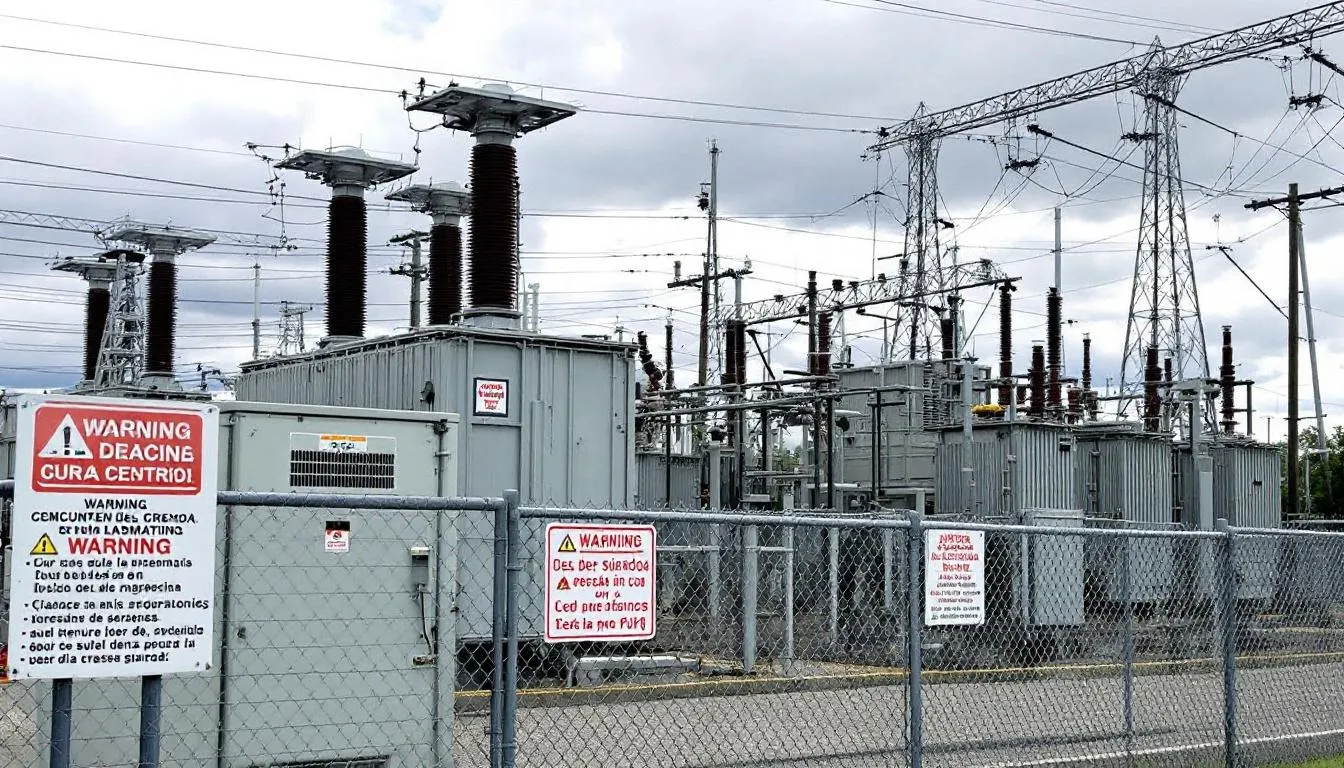
The electricity grid in Portugal is managed by Redes Energéticas Nacionais (REN), which oversees the transmission and distribution of electricity across the country. Portugal has made significant investments in modernizing its grid infrastructure to accommodate the growing share of renewable energy. The country has also established interconnections with Spain, which enhances energy security and allows for energy trading between the two nations.
Spain:
Spain’s electricity infrastructure is managed by Red Eléctrica de España (REE), responsible for the transmission of electricity. The Spanish grid is one of the most advanced in Europe, featuring a high degree of interconnectivity with neighboring countries, including Portugal and France. Spain’s grid modernization efforts focus on integrating renewable energy sources and improving grid stability through advanced technologies like smart grids and energy storage systems.
Regulatory Framework and public system

Portugal:
Portugal’s regulatory framework for electricity supply is overseen by the Regulatory Authority for Energy Services (ERSE). The government promotes renewable energy through various incentives, including feed-in tariffs and auctions for renewable energy projects. Additionally, Portugal has implemented policies to enhance energy efficiency and reduce greenhouse gas emissions, aligning with EU directives.
Spain:
Spain’s electricity market is regulated by the National Commission of Markets and Competition (CNMC). The country has introduced reforms to promote competition in the electricity market and facilitate the integration of renewable energy. Spain’s energy policies focus on achieving energy independence, reducing reliance on fossil fuels, and meeting EU climate goals. The government has also launched initiatives to support energy efficiency and consumer participation in the energy market.
Taxation and Electricity Costs

Navigating the financial landscape is a key part of settling into Spanish life, especially for expats and those considering a move to Spain. Understanding how the Spanish government structures income tax, property taxes, and electricity costs can help you save money and make the most of your experience living in Spain.
As a Spanish resident, you’ll be subject to income tax on your worldwide income, with rates ranging from 19% to 47% depending on your earnings. The Spanish government also levies property taxes, including an annual property tax and, for some, a wealth tax. If you’re a British citizen or from another country with a double taxation treaty with Spain, you can often avoid being taxed twice on the same income. Consulting a tax professional is highly recommended to ensure you meet your obligations and take advantage of any available deductions or credits.
Electricity costs are another important consideration for anyone looking to live in Spain. While Spain’s public healthcare system and public transportation are known for their affordability, electricity prices can vary significantly depending on the region and your usage habits. In major cities and the city centre, costs may be higher than in smaller towns or southern Spain, but there are ways to keep expenses manageable. A single person can expect to pay between €50 and €100 per month for electricity, while a family’s bill may range from €150 to €300. To reduce your electricity bill, consider investing in energy-efficient appliances, using public transport instead of driving, and taking advantage of off-peak hours for energy use.
Setting up a Spanish bank account is essential for paying taxes, electricity bills, and receiving payments such as a UK state pension. Opening an account with a local bank like Santander or BBVA is straightforward, especially if you have a Spanish residence permit. This permit not only facilitates financial transactions but also grants you access to Spain’s public healthcare system and other benefits.
Spain offers an affordable cost of living compared to many other European countries. Whether you choose the vibrant lifestyle of major cities like Madrid or Barcelona, the relaxed pace of the Costa del Sol, or the charm of smaller towns in southern Spain, you’ll find that day to day life can be both enjoyable and budget-friendly. Public transportation is efficient and inexpensive, with monthly passes costing as little as €20 to €50. Dining out is also accessible, with a three course meal at a mid range restaurant typically priced between €15 and €25 per person.
For those interested in buying property, Spain’s property prices vary widely by region. While city centre locations in expensive cities command higher prices, there are many affordable options in smaller towns and along the coast. Non-EU citizens can apply for a non lucrative visa or golden visa to live in Spain legally, and British citizens benefit from double taxation treaties that can help reduce their tax liability. Seeking professional advice is crucial when purchasing property to ensure you understand all costs and legal requirements.
In summary, understanding taxation and electricity costs is essential for anyone planning to live in Spain. By familiarizing yourself with the tax system, making smart choices about energy use, and taking advantage of Spain’s affordable cost of living, you can save money and enjoy everything this rich and diverse country has to offer. Whether you’re drawn by the thriving arts scene, the rich history, or the promise of a more relaxed lifestyle, Spain offers a unique and rewarding experience for expats, retirees, students, and digital nomads alike.
5 Challenges and Future Outlook

Both Portugal and Spain face challenges in their electricity supply systems, including the need for continued investment in infrastructure, the integration of variable renewable energy sources, and the management of electricity demand. Additionally, both countries must address the impacts of climate change and ensure a just transition for communities reliant on traditional energy sources.
Looking ahead, both nations are well-positioned to expand their renewable energy capacities and enhance their electricity supply resilience. Collaborative efforts in energy trading, infrastructure development, and technological innovation will be crucial in achieving their ambitious energy goals.
6 Cost of living and household expenses

As an example, we have taken 2 average households, 1 in Spain, 1 in Portugal, similar properties as at June 2025 the biggest differential is in the unit cost at peak hours, almost 50% more expensive per Kwa in Portugal.
Assuming “reasonable“ usage, this calculates to approx. €86 per month (plus tax) ie over €100 per month on a single bill in Spain compared to Portugal.
When looking at overall living costs, Spain costs are generally more affordable compared to many other European countries. Spain’s cost of electricity and other household expenses contribute to lower living expenses, making the country attractive for those seeking an affordable lifestyle.
Conclusion
In summary, while Portugal and Spain share many similarities in their electricity supply systems, including a strong commitment to renewable energy and advanced infrastructure, they also have distinct approaches shaped by their unique geographic and regulatory contexts. As both countries continue to evolve their energy landscapes, their experiences can serve as valuable lessons for others striving for a sustainable and reliable electricity supply.